Cabinet Refinishing – Transform Your Kitchen Without Having to Replace Cabinets

San Jose Cabinet Refinishing is an effective and cost-efficient alternative to replacing your cabinets. It saves you money and time while transforming your kitchen.
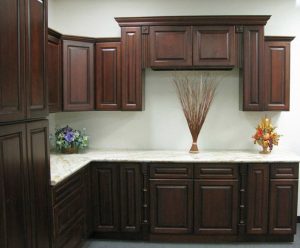
Cabinet Refinishing

Before refinishing, it is important to determine if your existing finish is oil or water-based (latex). This will help you choose the best refinishing products. It also helps ensure a beautiful result.

Cabinets are a vital part of the home and can make a big difference in your space. However, they can also start to look old and worn out over time. If you’re looking to revamp the appearance of your cabinets, a professional refinishing job is a smart choice. This solution is less expensive than replacing the cabinets, and it can still offer a dramatic transformation.

The process is also far faster than a full renovation, which means you’ll be able to enjoy your new kitchen sooner. Additionally, refinishing is more environmentally friendly than replacing your cabinets. It reduces waste and avoids adding more materials to landfills, making it a better choice for the environment.

If your cabinets are made of quality solid wood, refinishing them is a great way to preserve them for the long term. Refinishing will restore and enhance the natural beauty of your wood, and it can also be used to add a modern touch. For example, you could add stylish cabinet hardware to complement the refinished finish.

Refinishing is also a smart alternative if your cabinets are still structurally sound but their design is outdated. Refinishing can bring out the best in your existing cabinets, while saving you money on a costly replacement project.

The refinishing process involves carefully cleaning the surfaces, removing all of the hardware, and sanding the surface for a smooth finish. By taking the time to prepare the surfaces properly, you’ll ensure a high-quality result that lasts for years.

A professional refinishing company will use high-quality products to achieve an even and long-lasting finish. They’ll also provide a range of color options so you can find the perfect shade for your space. In addition, they’ll be able to recommend the right type of stain or paint for your cabinets.

Keep in mind that refinishing isn’t an option for cabinets made of laminate or thermofoil. It’s important to regularly inspect your cabinets for signs of wear and tear, such as chipping or scratching. If you notice any damage, it’s important to address it immediately to prevent the issue from worsening over time.

Restore the Original Appearance of Older Cabinets

Cabinet refinishing is a great option for homeowners who want to transform their kitchen without spending the money it takes to replace existing cabinets. It’s also a way to preserve the original structure and style of your cabinets, which can be particularly beneficial for homes with traditional or vintage architecture.

A good cabinet refinishing job starts with the proper cleaning and preparation of your cabinet surfaces. Use a mild cleaner designed for wood and a damp cloth or sponge to wipe away any dirt, grease, or grime that’s built up over time. This step is important for ensuring that your cabinets look their best once the new finish has dried and been sealed.

Next, your cabinet surfaces should be sanded. The goal is to create smooth, even surfaces that are ready for the new stain or paint to be applied. This is a vital step in ensuring that your new finish looks its best and lasts for years to come. Once the sanding is complete, your cabinet surfaces should be cleaned again to remove any dust or debris.

When it comes to the actual process of refinishing your cabinets, there are many options available for achieving the look you’re after. For example, you can choose a lighter shade of stain for a fresh new color or a darker stain that brings out the beauty of your wood grain. You can also add additional details like crown molding or glass door panels to give your cabinets a custom, tailored look.

In contrast, refacing involves removing the cabinet doors, drawer fronts, and hardware before applying a veneer over your existing cabinet boxes. This gives you a brand-new look with minimal effort and cost. The downside of refacing is that it can be more expensive than refinishing, but it’s still less invasive and more budget-friendly than replacing your cabinets entirely.

One of the greatest benefits of refinishing your cabinets is that it’s customizable to your personal preferences. By refinishing your cabinets, you can change the look from sleek and modern to rustic and traditional without spending a lot of money. You can also try a variety of different finishes and textures to complement your decor, from matte and satin to semi-gloss.

Less Invasive Than Full Replacement

Cabinet refinishing is a far less invasive renovation process than a full replacement. Replacing cabinets requires gutting part or all of your kitchen, a messy construction project that can leave your home out of commission for weeks or even months. Refinishing, on the other hand, involves minimal damage to your existing cabinets and only requires a few days of work, leaving you with a refreshed kitchen without the hassle of a long construction process.

Cabinets are a key feature in any kitchen and bathroom, but they can quickly become outdated or damaged over time. Professional refinishing offers homeowners the opportunity to transform their cabinets into a new style that perfectly complements their desired aesthetic, but at a fraction of the cost of replacing them entirely. In addition to the financial benefits, refinishing can also add value to your home. In fact, a recent study found that homebuyers are willing to pay up to 10% more for homes with updated kitchens.

When choosing the right refinishing service, it is important to make sure that you have a team of professionals with the proper experience to handle your project. It is also important to protect your home and furniture before beginning the refinishing process. This includes covering countertops, floors, and appliances to prevent stains or spills. You will also want to remove all of the hardware from your cabinets, including knobs and handles, so that they can be properly cleaned and degreased before being refinished. This can be done using a simple cleaner formulated for wood surfaces and a soft cloth or sponge. If your cabinets are particularly greasy, This Old House recommends trying TSP (trisodium phosphate) mixed with water to emulsify the grease and make it easier to wipe away.

While refinishing is ideal for many types of cabinets, it may not be the best option for laminate or thermofoil surfaces since they cannot be sanded or chemically stripped. Additionally, refinishing is not an appropriate option for damaged or weakened cabinets, as they can’t be strengthened with the process. In these cases, refacing would be the better choice for your kitchen or bathroom renovation needs.

Easy to Maintain

Cabinet refinishing involves keeping your existing cabinetry and simply changing the color or finish, often by hand-sanding or chemically stripping the surface, then painting or staining. This allows you to transform your kitchen without the expensive cost and messy removal process that comes with completely replacing your cabinets. It also reduces the waste of quality hardwood that would otherwise be discarded, saving natural resources and reducing your environmental footprint.

Proper cleaning and maintenance are essential for maintaining your refinished cabinets. Avoid harsh chemicals that can damage and dull the finish, and use only non-abrasive cleaners specifically designed for wood and painted surfaces. Also, dust regularly to remove buildup and prevent grime from scratching the surface over time. If your cabinets are exposed to spills or other messes, wipe them up immediately with a soft cloth to avoid damage.

Another way to update your cabinets is by replacing the hardware, such as hinges and pulls. These are easy to do and can make a big difference in the look of your kitchen. Hardware is available in a wide range of styles and materials to suit your personal style, from sleek stainless-steel handles to ornate bronze knobs. The right style of cabinet hardware can add a modern or traditional touch to your space, and can complement the colors, finishes, and details you’ve chosen for your cabinets.

If your cabinets are showing signs of aging or have serious damage, refinishing may not be an option. This process cannot fix structural issues or repair water damage, and will not provide long-lasting results if the cabinet boxes are compromised. If your cabinets are in good condition, however, refinishing can give them a fresh new look and keep them looking as beautiful as the day they were installed.

Refinishing your cabinets is a great way to update your kitchen and give your home an immediate boost in value, but it’s important to prepare properly for the project to ensure a smooth and successful transformation. By following these simple steps and avoiding common mistakes, you can make sure your cabinets look as good as new for years to come.
Keeping Warm with Smarter Approaches to Furnace Repair

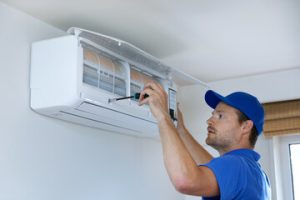
FURNACE REPAIR CINCINNATI is more than just fixing heat when it stops working. It has grown into a specialized field that combines comfort, safety, and energy efficiency. Every repair today involves more than a quick patch. It is about ensuring that the system performs reliably for the long term.

HVAC

The newest approaches to furnace repair focus on predictive care. Instead of waiting for breakdowns, technicians now use smart tools to analyze performance trends. These tools identify issues before they become emergencies. This proactive style saves both money and time.

Repair practices have also shifted toward energy awareness. A malfunctioning furnace often consumes more fuel than needed. Skilled repairs restore efficiency and lower energy costs. This balance benefits both households and the environment.

Another change is the integration of digital monitoring systems. Furnaces can now be linked to smart home devices. This allows owners to track temperatures, filter status, and usage. Repairs become quicker when problems are detected early through these systems.

Technicians today are also trained to consider indoor air quality. A broken furnace may leak dust or pollutants into the air. Repair now includes checks for ventilation and cleanliness. Comfort is measured not just in warmth but in the purity of the air.

One new practice is the use of eco-friendly replacement parts. Modern materials reduce emissions and improve performance. Repairing with sustainable components extends furnace life responsibly. This shift reflects broader goals of environmental care.

Furnace repair also involves safety at every stage. Gas leaks, faulty wiring, or overheating parts can pose serious risks. Skilled technicians prioritize checks that protect households from hidden dangers. This makes repair just as much about prevention as restoration.

The speed of repairs has improved with mobile diagnostics. Technicians carry handheld tools that give instant readings on furnace health. This shortens the time needed to locate issues. Faster detection means quicker recovery of warmth.

Another innovation is modular component replacement. Instead of replacing entire systems, small parts can now be swapped efficiently. This lowers repair costs while reducing waste. It also allows furnaces to stay in service longer without major overhauls.

Seasonal readiness has also become a focus in repair services. Technicians prepare furnaces for peak use before winter months arrive. Early inspections help prevent mid-season failures. Clients enjoy uninterrupted comfort when preparation is prioritized.

Furnace repair today also uses thermal imaging to detect hidden issues. Hotspots, leaks, or blockages are visible through advanced cameras. This allows technicians to work with greater precision. The result is fewer repeat visits and more lasting solutions.

Remote support is another growing feature in furnace care. Some systems allow technicians to access data and advise owners from afar. Simple resets or adjustments can sometimes be guided virtually. This reduces unnecessary visits and increases convenience.

Repairs are also linked to long-term system optimization. Instead of restoring function alone, technicians fine-tune performance. Adjustments in airflow and calibration improve heat distribution. This approach enhances comfort while lowering costs.

Another trend is transparent reporting after repairs. Clients receive detailed summaries of issues found and solutions applied. This helps build trust and informs future maintenance decisions. Knowledge empowers clients to manage their heating systems better.

Furnace repair has also been tied to sustainability in disposal. Old or damaged parts are often recycled instead of discarded. Metals, plastics, and wiring are redirected into new uses. This ensures that repair processes contribute less waste overall.

The role of repair also includes educating clients. Homeowners learn to recognize signs of furnace stress early. Sounds, smells, or changes in performance become easier to spot. This shared responsibility strengthens system longevity.

Emergency readiness is another mark of modern furnace repair. Teams are now available at all hours to handle urgent cases. Quick responses prevent long nights without heat. Reliable availability builds trust and peace of mind.

Repair services also explore integration with renewable energy. Furnaces can be adapted to work alongside solar or geothermal systems. Repairs include adjustments that make this integration seamless. This step points to a future of cleaner heating solutions.

One unique development is the use of machine learning in diagnostics. Systems collect performance data and predict future repair needs. This creates a self-learning cycle where each fix makes the furnace smarter. It represents the next stage of intelligent heating.

Furnace repair also embraces durability in modern methods. Adjustments are designed to last rather than provide temporary relief. This philosophy values reliability over quick fixes. Clients benefit from fewer breakdowns over time.

Noise control is another aspect of today’s repairs. Furnaces that rattle, hum, or squeal are adjusted for quieter operation. This enhances comfort beyond warmth alone. A peaceful atmosphere adds to the value of repair.

Repairs also account for the changing size of homes and spaces. Technicians evaluate whether furnaces are matched properly to the area served. If not, they recommend adjustments or modifications. This ensures balanced performance without wasted energy.

Furnace repair has also linked with health concerns. Properly functioning systems reduce risks of carbon monoxide leaks. Technicians now use advanced detectors during routine service. Protecting lives is as important as restoring comfort.

Repairs today also emphasize efficiency in airflow. Blocked ducts or faulty blowers can weaken performance. Skilled adjustments restore strong circulation throughout the home. Even warmth becomes a measure of repair success.

Training has also evolved within the industry. Technicians study advanced electronics and smart systems as part of their work. Repairs often involve software as much as hardware. This shift shows how furnace care is adapting to technology.

Another innovation is the concept of adaptive upgrades during repair. Instead of only restoring, technicians suggest enhancements. Adding a smart thermostat or better filter system improves overall value. Each repair becomes a step toward modernization.

The role of data transparency is also increasing. Clients are given energy use reports after repairs. These reports show how efficiency has improved. Clear results encourage continued investment in proper maintenance.

Furnace repair has also grown into a green business opportunity. Companies emphasize eco-conscious branding while offering reliable service. Clients are drawn to repairs that align with their sustainability goals. This creates a cycle of trust and responsibility.

Repairs are also being combined with air balancing services. Technicians measure airflow room by room during furnace checks. Adjustments ensure even heating throughout the entire space. This holistic view makes comfort more complete.

The future of furnace repair is tied to resilience. As climates change, systems must handle greater extremes. Repairs are designed with these challenges in mind. Long-term solutions protect homes against both cold and fluctuating conditions.

Ultimately, furnace repair is no longer a simple trade. It is a science of efficiency, safety, and sustainability. Each repair reflects progress in both technology and care. The warmth it restores is matched by the reliability it ensures.

Forging the Future: The Silent Art of Modern Welding

Metal joins more than just structure; it connects human progress. Welding is the craft that turns raw materials into strength. It’s both science and art, quietly holding together the world we build. Yet today, welding is no longer confined to sparks and steel—it’s becoming smarter, cleaner, and more precise.

Welding

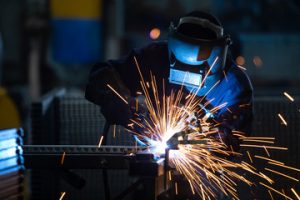
Welding Boise Idaho represents transformation beyond fabrication. It embodies evolution in technology, sustainability, and creativity. The techniques that once relied on manual precision now blend with digital intelligence. This union of human skill and automation marks a new era in craftsmanship.

Every weld tells a story of precision and permanence. From towering frameworks to intricate art pieces, each joint carries trust. The process demands balance—too little heat weakens, too much destroys. That balance is the heartbeat of true welding mastery.

Technology has changed how welders see their work. Advanced sensors now monitor temperature, alignment, and fusion quality in real time. This accuracy reduces waste while enhancing durability. The craft has become as much about control as it is about creation.

A quiet revolution is happening beneath the metal’s surface. Smart welding systems learn from every spark and adapt automatically. They adjust power and speed with near-human intuition. The welder now collaborates with the machine instead of competing against it.

One fascinating trend is hybrid welding—a blend of different methods into one seamless process. These combinations maximize strength while reducing production time. They bridge the gap between manual skill and industrial precision. It’s innovation fused at the molecular level.

Clean energy has entered the world of welding too. Eco-friendly gases and recyclable materials are replacing traditional options. This shift reduces emissions and energy consumption. Sustainability is now part of the welding identity.

Beyond construction, welding has found a new place in design. Artists use it to sculpt fluid forms from rigid metal. These works blur the line between industry and imagination. The torch becomes both a tool and a brush.

The new generation of welders approaches the craft differently. They value safety, precision, and environmental balance as much as productivity. Welding schools now teach not only technique but also digital literacy. The craft evolves alongside the minds shaping it.

Portable welding units are transforming how projects are done. They allow mobility and flexibility across multiple worksites. This freedom supports rapid innovation in both urban and remote areas. The spark travels wherever creativity leads.

Another breakthrough lies in lightweight metal joining. Modern techniques bond materials once thought incompatible. This has opened possibilities for stronger, lighter structures. Efficiency no longer comes at the cost of endurance.

The science behind welding is equally captivating. It involves controlled molecular fusion, guided by heat, pressure, and timing. Each element responds differently, requiring skillful adaptation. The welder becomes part physicist, part artist, part engineer.

In the age of artificial intelligence, predictive welding has emerged. Systems can anticipate material behavior before fusion even begins. This foresight prevents cracks, warping, or weak points. Perfection is no longer an accident—it’s calculated.

Training for welders now mirrors modern engineering programs. Virtual simulators let them practice techniques safely. Mistakes cost nothing, and learning becomes immersive. The next generation enters the field with confidence built through simulation.

The tactile nature of welding remains irreplaceable. Despite automation, the human hand still defines the quality of the bond. Instinct and experience guide decisions machines can’t always predict. This balance keeps the trade deeply human.

Safety innovations have elevated working conditions. Smart helmets track air quality and visual clarity. Automated shutdowns prevent overheating or malfunction. Protection evolves in tandem with progress.

Welding has also entered the realm of repair innovation. Old structures and machinery are being renewed instead of replaced. Precision welding gives them new life without excessive waste. Restoration becomes an act of sustainability.

Remote welding is one of the most futuristic developments. Operators control robotic welders from distant locations. This advancement enables work in extreme environments safely. The torch now burns in places unreachable by humans.

Aesthetic welding has grown as a design movement. Visible seams are treated as signatures, not flaws. The patterns of the bead showcase skill and intention. Function and beauty now coexist in every metallic line.

Welding also plays a silent role in renewable energy infrastructure. Wind turbines, solar mounts, and green transport all depend on it. These connections symbolize the joining of old industry with new ideals. The spark fuels a cleaner tomorrow.

The economic value of welding remains massive but often overlooked. Entire industries depend on its unseen precision. Without it, progress would collapse, literally and figuratively. It’s the hidden muscle behind modern civilization.

Material innovation is also reshaping the craft. New alloys demand specialized heat management and timing. Welders adapt continuously to changing molecular behavior. This learning curve ensures the trade remains dynamic.

One surprising evolution is in underwater welding. Divers now perform high-stakes fusion below the surface with advanced tools. These techniques maintain marine structures and energy networks. It’s welding against nature’s toughest resistance.

Additive manufacturing has introduced another frontier. Metal 3D printing uses welding principles to build layer by layer. This method merges precision and creativity with minimal waste. It transforms how we imagine building from the ground up.

Micro welding is also revolutionizing technology. Tiny, controlled welds power electronics, sensors, and medical tools. The scale may be small, but the impact is vast. Every miniature spark supports life-changing innovation.

Cultural perspectives on welding are shifting too. What was once viewed as purely mechanical is now seen as a creative trade. Welders express identity through craftsmanship and technique. Their work carries pride beyond functionality.

Sustainability drives much of the current innovation. Energy-efficient machines and recyclable materials define modern operations. Even waste heat is being reused for other industrial purposes. Efficiency becomes both ethical and economical.

Global collaboration has strengthened welding research. Engineers and artisans share techniques through virtual platforms. This exchange expands the skill base and accelerates discovery. The craft now thrives on collective intelligence.

The relationship between welding and architecture has deepened. Modern buildings rely on clean seams and flawless joints. Structural integrity and aesthetic continuity must align. Welding ensures that beauty doesn’t compromise strength.

Advanced sensors also allow self-diagnosing welds. These smart systems detect micro-cracks before they grow. This technology prevents future damage and improves quality control. Prevention replaces repair as the new standard.

One profound idea reshaping welding is emotional design. Welders now consider the feeling of space, not just the form. Each weld contributes to a larger emotional narrative of durability and trust. The structure becomes both art and message.

Education plays a central role in welding’s revival. Training programs attract innovators seeking tactile creativity. It combines manual satisfaction with technological mastery. This blend appeals to a generation seeking meaningful work.

Even sustainability certification has entered the trade. Welders earn credentials proving eco-friendly practices. This recognition highlights responsibility as part of skill. Ethical welding becomes a mark of modern professionalism.

The fusion process itself remains mesmerizing. Watching two separate pieces become one still holds symbolic power. It reminds people that connection creates strength. That lesson transcends metal and enters philosophy.

In creative industries, welding represents transformation. Artists use it to express permanence through molten beauty. The spark becomes metaphorical—a symbol of persistence. The heat shapes both material and meaning.

Innovation continues to push boundaries of temperature and speed. Ultra-fast welding methods now achieve microscopic precision. These advances reduce distortion and increase lifespan. The result is unmatched reliability and refinement.

Sustainability initiatives now include closed-loop metal cycles. Scraps from one project feed the next without loss. This recycling practice turns waste into continuity. Welding becomes part of a sustainable ecosystem.

Digital twin technology allows engineers to visualize weld integrity before execution. Virtual prototypes identify flaws and improve outcomes. It saves resources while ensuring strength and safety. Simulation and science merge to perfect the real.

Cultural respect for craftsmanship keeps welding timeless. While machines assist, human mastery defines final quality. It remains a trade where intuition and logic meet. The rhythm of the torch is as much art as engineering.

The growing demand for modular structures relies heavily on efficient welding. Portable designs depend on lightweight, strong joints. These systems redefine construction speed and adaptability. Welding adapts seamlessly to this modular age.

Looking ahead, nanotechnology could redefine the field once more. Scientists explore molecular-level joining methods for extreme durability. The future may hold welds invisible to the eye yet stronger than ever. The possibilities stretch as far as imagination.

At its heart, welding remains an act of creation through fusion. It’s the moment where separation ends and unity begins. Every spark ignites a legacy of strength and vision. In those fleeting flashes of light, the future quietly takes form.