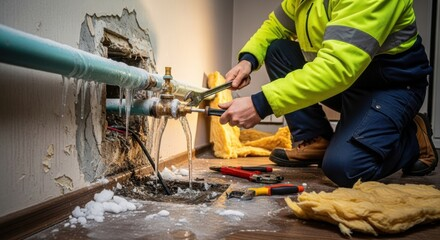
Many house floods happen for reasons that are out of a homeowner’s control. However, there are some things a homeowner can do to help prevent unwanted water damage.
Keep an eye out for potential problems with plumbing, drains, or roofs. Check your insurance coverage, too. Some areas are seeing increased high-tide flooding due to local sea level rise trends. Contact Colorado Springs Flooding for more details.
Burst Water Pipes
Water pipes are responsible for carrying water from the main supply to fixtures and appliances throughout your home. They are designed to withstand a certain amount of pressure, but they can burst for several reasons. These include clogs, corrosion, high water pressure, and shifting soil that can cause stress on underground pipes.
Cold winter temperatures can also freeze water in pipes, causing them to crack or break. If you suspect a pipe is burst, the first step to take is to find and shut off your house’s main water supply, which can stop any further flooding. Then, you can turn on faucets to relieve any remaining pressure. It’s also important to call a professional plumber as soon as possible to prevent more damage.
A burst pipe can send water flooding into your home, resulting in serious and costly water damage. To prevent this, you can insulate exposed pipes and keep your home’s thermostat set at a warm temperature. It’s also a good idea to check the temperature of your home’s pipes periodically and replace any that are corroded or worn.
Flooding from burst water pipes typically falls under the umbrella of your homeowners insurance policy, but only if the damage was sudden and accidental. In cases where a leak was the result of neglect or lack of maintenance, your insurer may not cover your loss.
Before reoccupying a building following a burst pipe, have a New York State-licensed engineer or registered architect assess the structure to ensure it’s safe to return. If the building is unsafe, you should seek temporary housing arrangements and save receipts for all repair expenses. In addition, it’s a good idea to make a list of damaged items and photograph any wet walls or soaked carpeting, so you can file an insurance claim.
Faulty Appliances
Having an appliance in your home that uses water can be a problem when it starts to malfunction or break. This is especially true if the appliance is old or worn out.
It’s important to keep a close eye on your appliances and replace them when they’re starting to show signs of wear and tear. This will help prevent a leak that could flood your property and cause significant water damage.
Another common cause of flooding is poor drainage around the house. When rain falls or snow melts, the drains around your home need to be able to move the water away from the foundation of your house. If they become clogged with leaves or debris, the water won’t be able to escape and will start to build up around your house and seep into cracks and crevices.
It’s also important to have your gutters cleaned regularly to ensure they’re giving water a clear path away from the house. When they get clogged, the water won’t be able flow properly and can back up and overflow your home’s toilets.
Dirty Gutters and Downspouts
The basement is a retreat for many homeowners, whether the space is finished or unfinished, it’s often where we store important possessions, keep extra supplies and prepare for inclement weather. Unfortunately, basements are one of the most common locations for water damage. Water can come from a variety of sources including burst pipes, damaged appliances and clogged gutters and downspouts.
Gutters and downspouts help direct water away from the house, preventing it from causing damage to foundations and the basement. However, gutters can become clogged with leaves, twigs, dirt and other debris. Clogged gutters can also lead to overflowing and flooding, which can cause water damage throughout the house. The risk of damage is increased in winter when the accumulated debris and water freezes into ice dams, which can weigh down gutters and pull them away from the roof.
If you notice your gutters are sagging or pulling away from the roofline, this is a sign that they’re clogged and aren’t directing water away from your home. If you live in an area with lots of trees, it’s a good idea to have your gutters checked and cleaned regularly to prevent debris build-up.
In addition to removing the debris from the gutters, you should check the length of downspouts and ensure they are far enough away from your foundation. According to State Farm, downspouts should be at least 10 feet long in order to adequately redirect water runoff from your property. You can test the flow of a downspout by placing the nozzle of a garden hose at the end of the downspout. The force of the water should push the clog out of the downspout and clear the flow of water.
For clogged downspouts that aren’t easily removed, you can try using an air compressor or blower to blast the clog out of the gutter. This is especially effective for lighter clogs like leaves or dirt. After clearing the clog, you should test the downspout by running water through it to make sure it’s completely cleared and working properly. For more stubborn clogs, you can try disassembling the downspout and scraping out the blockage manually.
Damaged Roofs
The roof is one of the most vulnerable areas for water damage in homes. Severe storms can cause shingles to lift up or blow away, and the resulting gaps allow water to seep inside walls, ceilings, and other parts of the structure. Inspecting the roof frequently for missing or damaged shingles and getting them replaced promptly minimizes risk and prevents further problems.
Basements are also susceptible to flooding due to poor drainage, clogged gutters and downspouts, or the rising water table during rainy periods. Installing a sump pump in the basement or properly grading the ground outside the house can help direct excess water away from the foundation. Regularly checking drains and inspecting appliances for faulty components can help homeowners address any issues before they cause serious damage.
Flooding from sewer backups or surcharged sewer lines can be a major problem for homeowners. In addition to causing extensive water damage, the contaminated water from these sources can pose health risks for residents. In many cases, clogged pipes are the source of these backups, but poor plumbing design or aging infrastructure can also lead to this issue. It’s important to have the sewer line regularly inspected and maintained by a professional.
Coastal areas are at a high risk for flood damage as sea levels rise during severe storms. Flood insurance is often required for these homes, and residents can take steps to protect their property by elevating patio furniture, securing loose items, and storing any outdoor equipment in a garage or shed.
Flooding can be very dangerous for people and pets. Even a few inches of moving water can knock someone down or sweep cars off the road. Water can also carry dangerous chemicals or bacteria from sewage, oil spills, and other sources. It’s crucial to avoid walking or driving through flooded areas, and to evacuate if instructed by local officials. It’s also important to keep a first aid kit in the home, and to be aware of possible health hazards caused by contaminated water.